Experience Quality Work with Dunellen General Contractor
Experience Quality Work with Dunellen General Contractor
Blog Article
Why Choosing the Appropriate General Contractor Is Necessary for Your Project
Identifying the right main contractor is a pivotal decision that can greatly influence a project's fruition. A fit contractor secures well-organized management and adherence to financial plans. Their competence to navigate problems and maintain distinct messaging is paramount. However, many building principals overlook critical variables in this vetting process. Appreciating these elements can lead to finer consequences and heightened contentment. What should one deliberate when making this significant determination?
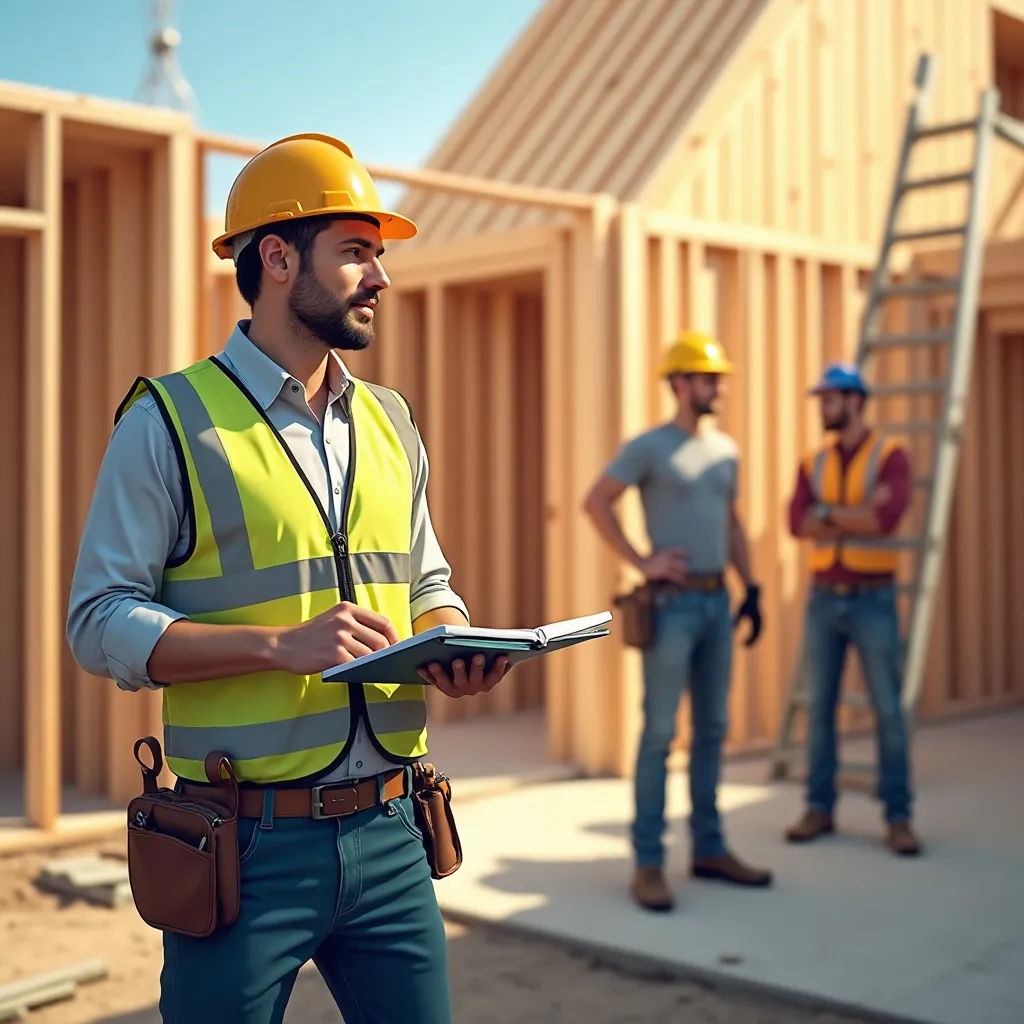
Ordinary Problems in Choosing a General Contractor
When selecting a general contractor, potential clients often face numerous typical challenges that can complicate the selection process. One major obstacle is the vast quantity of choices on offer, which can result in confusion and indecision. Clients may find it hard to differentiate between contractors based on credentials, background, and cost, making it difficult to determine who will best satisfy their construction requirements.
A further problem is the limited disclosure in contractor bids, where hidden costs may come to light, modifying the project budget. Additionally, clients may face concerns pertaining to communication; some contractors may fail to inform clients consistently throughout the process, leading to frustration. In the end, clients often wrestle with substantiating a contractor's endorsements and past work, which can provoke hesitation about the caliber of service to be delivered. These impediments necessitate deliberate planning and research to guarantee the right choice is made.
Why a Solid Building Contractor Is Critical
A trustworthy general contractor plays an essential role in ensuring project management efficiency and maintaining quality assurance standards. Their expertise helps optimize processes, reducing delays and costs. Additionally, a dependable contractor upholds high standards, resulting in superior craftsmanship and customer contentment.
Enhance Project Organization Efficiency
Effective project management relies on the dependability of a general contractor. A trustworthy contractor ensures that timelines are met, resources are allocated efficiently, and communication flows smoothly among all stakeholders. Their skill in managing subcontractors, suppliers, and laborers directly impacts the project's progress and overall success. A reliable contractor foresees problems, acts quickly to resolve them, and stays focused on the objectives, minimizing delays and cost overruns. This efficiency fosters a collaborative environment, allowing for adjustments and improvements as needed. Ultimately, the general contractor's dependability improves both the functional parts of the project and the trust shared by clients and team members, ensuring all parties stay aligned towards a favorable result.
Quality Assurance Measures
Reliable general contractors play a crucial role in upholding quality assurance standards throughout a project. They ensure that all work meets established guidelines and industry standards, which is vital for the longevity and safety of the structure. A competent contractor exercises rigorous oversight of materials and workmanship, carrying out regular inspections to identify and rectify issues promptly. This proactive approach reduces risks associated with subpar construction, ultimately protecting the investment. Moreover, a reliable contractor fosters communication among all stakeholders, making certain that expectations are clear and met. By prioritizing quality assurance, a skilled general contractor not only enhances the final product but also establishes trust with clients, laying the groundwork for successful project outcomes.
Evaluating a Contractor's Experience and Reputation
When selecting a general builder, comprehending their experience and track record is essential, as these factors significantly impact project results. A contractor's experience typically demonstrates their ability to manage various kinds of projects, complexities, and obstacles. Reviewing their portfolio offers insight into past work, showcasing craftsmanship and meticulousness.
Furthermore, reputation plays a crucial role in building trust. Prospective clients should look for web-based feedback, testimonials, and references to assess satisfaction levels from previous clients. Communicating with past customers can reveal the contractor's reliability, communication skills, and compliance with timelines and budgets.
Furthermore, industry affiliations and accreditations can bolster a contractor's credibility, suggesting a resolve to quality and responsible practices. By thoroughly evaluating both track record and credibility, clients can make informed decisions, at last establishing the foundation for a victorious construction project.
Important Qualities of a Credible Contractor
A reliable contractor regularly exhibits integrity, openness, and strong communication skills. These vital qualities form the foundation of a prosperous professional partnership. Honesty ensures the contractor conforms to moral standards, offering truthful evaluations and practical timelines. Transparency entails openly sharing assignment information, encompassing expenses and potential challenges, building confidence between the contractor and the customer.
Excellent communication skills permit the contractor to effectively convey ideas, listen to client needs, and address any concerns that emerge during the project. Additionally, a dependable contractor showcases flexibility, adjusting to modifications and unexpected circumstances with poise and resilience. Attention to detail is one more key trait; it reflects a commitment to excellence and accuracy in every element of the work. Ultimately, these traits not only enhance project outcomes but also contribute to a positive relationship for clients, making the selection of a dependable contractor all the more critical.
Important Questions for Finding Your General Contractor?
How might one guarantee they pick the appropriate general contractor for their assignment? By asking a series of focused questions, potential clients can better assess candidates. Initially, asking about the contractor's experience with like projects offers insight into their expertise. It's also important to ask for references; talking with previous clients can uncover the contractor's reliability and quality of work.
Next, examining licensing and insurance confirms that the contractor meets legal requirements and safeguards the client from possible liabilities. Clients should also inquire about timelines and project management strategies to assess how the contractor plans to handle the project effectively.
Budget discussions are essential; requesting a detailed estimate prevents surprise expenses later. Finally, understanding the contractor's preferred communication style can establish the foundation for a productive working relationship. By addressing these important inquiries, clients can make informed decisions in choosing their general contractor.
Effective Exchange Between You and Your Contractor
Effective engagement with a contractor is important for project success. Defining clear expectations and offering timely updates can eliminate misunderstandings that often lead to costly setbacks. Additionally, encouraging an open conversation establishes trust, ensuring a better partnership throughout the construction process.
Explicit Parameters Guarantee Success
Defining precise expectations is necessary for a effective partnership with a general contractor. Effective communication forms the basis for a mutual understanding of examine now project goals, timelines, and budget constraints. When both parties discuss their needs and concerns, it reduces the risk of misunderstandings that may hinder progress. A contractor who understands the specific requirements can allocate resources efficiently and proactively handle potential challenges. Additionally, transparency promotes accountability, ensuring the contractor fulfills commitments and that the homeowner feels engaged in the process. By prioritizing open dialogue early on, clients can improve cooperation and satisfaction, ultimately resulting in a more seamless project delivery. Clear expectations not only simplify operations but also foster trust between the homeowner and the contractor.
Timely Updates Avoid Miscommunications
Setting clear expectations establishes the foundation for cooperative success, while ongoing communication is absolutely vital. Frequent updates from a construction professional can prevent confusion that may arise during a undertaking. When builders frequently communicate project updates, customers remain informed of timelines, financial adjustments, and potential challenges. This forward-thinking communication helps to align each party's expectations and lowers the risk of conflicts down the road. Similarly, if complications arise, prompt notification facilitates faster resolutions, maintaining the project on schedule. Through building a culture of transparent communication, construction professionals demonstrate their commitment toward the project's prosperity, ultimately leading to a smoother workflow and superior client contentment. Therefore, prompt communications serve as a cornerstone for maintaining clarity and trust within the construction endeavor.
Open Dialogue Builds Trust
During a project's progression, sustaining an candid exchange with the general contractor becomes important for fostering reliance and partnership. Clear communication promises that all parties have a clear understanding of expectations, timeframes, and potential issues. When contractors and patrons participate in regular discussions, it facilitates for the spotting of troubles before they escalate, decreasing setbacks. This openness not only fosters confidence but also strengthens the overall project experience. In addition, an open line of communication supports commentary, allowing the contractor to make adjustments that satisfy the client's vision. Ultimately, strong communication forms a foundation of reciprocal appreciation, which is essential for the proper completion of any construction project. Confidence cultivated through conversation leads to better outcomes for everyone involved.
Often Requested Questions
What methods can I use to determine if a Contractor has been Licensed?
To check if a contractor is properly credentialed, one should check local licensing boards or websites, confirm their license number, and confirm it's active. Additionally, examining customer feedback can offer insight into their credibility and reliability.
What Insurance Should My Contractor Carry?
A contractor should carry all-encompassing liability coverage, workers' compensation, and, if applicable, negligence liability protection. These cover potential damages, workplace injuries, and errors in workmanship, safeguarding asset protection for both the contractor and the client.
What's the Best Way to Examine a Construction Professional's References?
To authenticate a contractor's references, one should demand a list of past patrons, connect with them directly, and ask about their experiences. Furthermore, investigating internet ratings and feedback can reveal valuable insights into the contractor's reliability.
What Ought I Execute if Issues Surface During the Project?
If issues develop during the project, one should document the concerns, speak openly to the contractor, and pursue a resolution. If needed, involving a third party or consulting a legal professional may also be appropriate.
Should You Be Aware of Concerning Indicators Throughout the Hiring Process?
Red flags throughout the hiring process encompass imprecise estimates, no references, poor communication, incomplete licenses, and negative online reviews. These indicators intimate potential issues that could alter the timeline and quality of the project.
Report this page